Conditioning is made up of the rules we were told we must obey, lest we suffer dire consequences. Conditioning also consists of the behaviors we have adopted under the false pretense that if we do, we will be loved, valued, and successful. Conditioning NEVER comes from within us but is always imposed upon us by some outside perceived (often self-appointed) authority.
The hierarchical, patriarchal world that is currently going up in flames obtains its power through conditioning – what might also be called manipulation – a seemingly endless list of rules accompanied by the punishment one will receive for defying those rules.
Non-loving conditioning keeps us imprisoned by the system, but what the system doesn’t know is that as increasing numbers of us turn away from this conditioning, the system will lose its power, disintegrate into dust, and then we will be authentically free. We will be free to live the life the vast majority of us crave – one built on love for ourselves, one another, and the world.
Slaying the demons of conditioning begins by naming the demons – identifying them and their place in our lives. As you read through the following list, identify which of these demons you have been subject to, the role it has played in your life, and what of it still remains. As you are reading, also allow for other demons of conditioning to arise in your consciousness:
- The demon that has told us that men are of greater value than women.
- The demon that treats women and children solely as property.
- The demon that values white people of European descent over people of color.
- The demon that tells us straight is good and gay is bad.
- The demon that trained us to be obedient to an external authority.
- The demon that trained us to believe we cannot know our own truth, but must find it outside of us.
- The demon that defines masculinity and femininity.
- The demon that speaks solely in binaries.
- The demon that taught us that humans are to have dominion over nature and that by virtue of that dominion, we have the right to take what we want in whatever way we want to without regard for the health of our planet.
- The demon that tells us who we belong to and what the rules are for that belonging. (ie: As one raised Catholic, I was conditioned to seek belonging from my community and to follow the rules that would insure that belonging).
- The demon that sets beauty standards for women and men, judging anything outside of those standards as unworthy.
- The Capitalistic demon that defines success based only on money, power, fame, and accumulation.
- The same Capitalistic demon that dictates the methods for acquiring that “success” through hard work alone (ie hard work alone will make you successful).
- The demon that evaluates intelligence based solely on IQ or academic grades.
- The demon that created hierarchical obedience.
- The demon that told us to feel shame when bad things are being done to us, and to feel even more ashamed for reporting those bad things.
- The demons that use media and advertising to manipulate us through our insecurities to act in the way they want us to act (ie. Believing their lies, buying their products).
In short – conditioning is all based on lies – lies that favor those in power, making the rest of us subservient to them. If we want to be free of this manipulation, we need to slay the demons of conditioning.
Slaying these demons begins with identification and is finished by simply saying NO.
Name the demon that has had influence over you and then simply say NO to it. Refuse to give that demon heed. Just say no – again, and again, and again, until that demon is once and for all silenced.
And if saying no isn’t enough, then please reach out for additional support. There are simple and practical tools for freeing ourselves of the demons of conditioning, we just need to learn them and practice them.
Practices for Demon Slaying



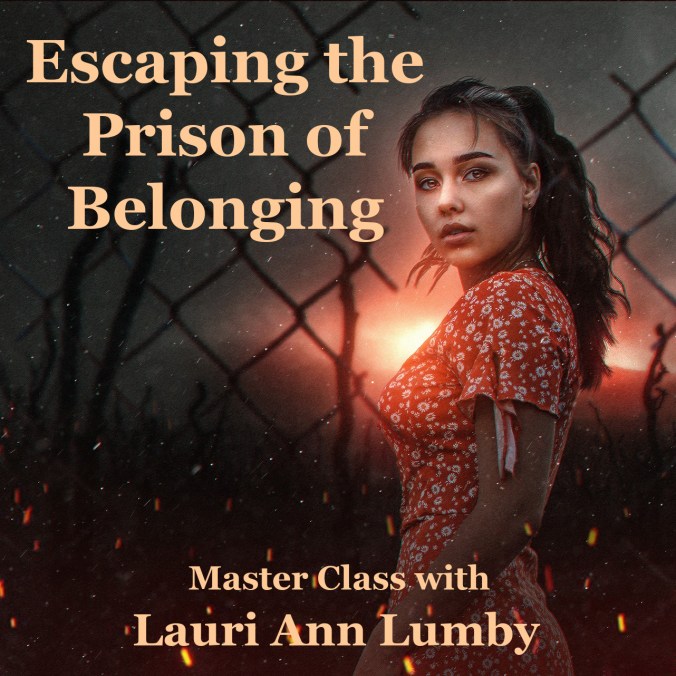
Work with Lauri one-on-one
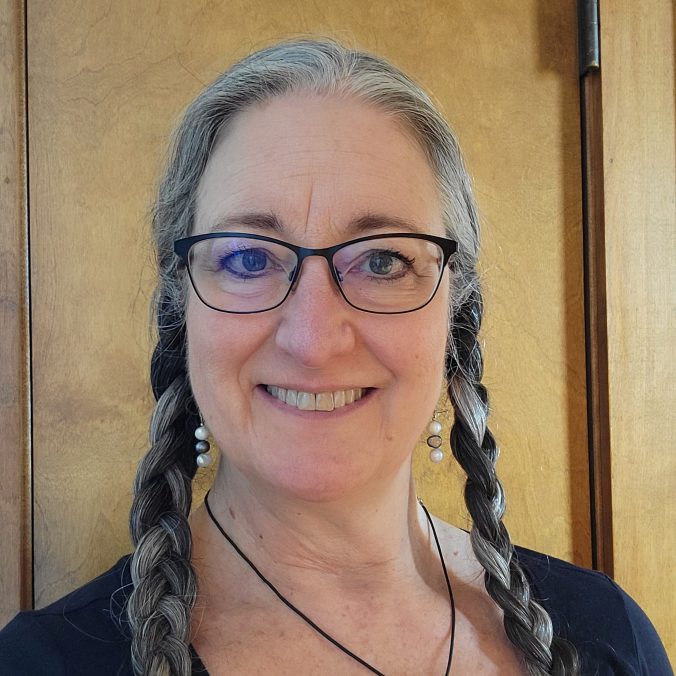
For over twenty-five years I have been a source of support for individuals through the most vulnerable and tender parts of their human journeys. I have counselled people through the unexpected death of a child. I have supported couples facing the “dark night” of their marriage. I have been a welcome guide and mentor in the human journey of spiritual growth and development. I have provided healing for those experiencing mental, emotional, and spiritual pain. I have been a source of support through midlife crises, divorce, job loss, empty nest, and other deeply transformational times of transition.
Whether working with me over the phone, via ZOOM, or in my home, you will find a warm and welcoming place here where you can step away from the chaos and unrest of the outside world and be supported in returning to your heart – for it is there you will find rest, peace, and the answers to life’s questions. My hearth-fire is always burning. You will find comfort and safety here.
With love,
Lauri
email lauri@lauriannlumby.com to schedule a session.
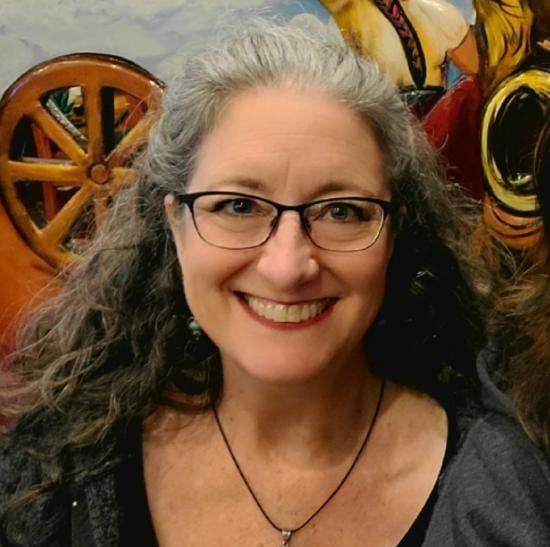

 Lauri Ann Lumby